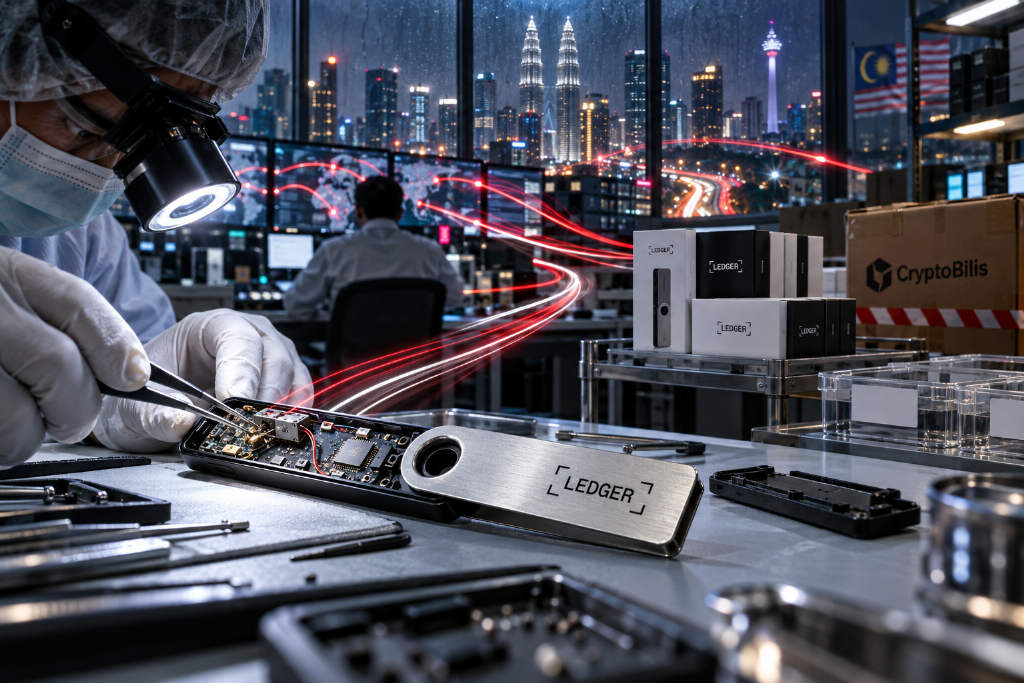
Ledger implant case puts reseller trust, security claims and wallet liability under scrutiny
Ledger is facing mounting questions after some users in Southeast Asia reported that assets were drained from hardware wallets purchased through reseller CryptoBilis. On Oct. 9, the company said it had opened an investigation, asked the reseller to halt sales and shipments, and advised recent buyers not to set up their devices for now. A day later, Ledger said an unauthorized hardware implant had been found in one affected user’s device and added that, so far, it had seen no sign that its own security infrastructure, systems or services had been compromised. Bitquery estimated that transfers tied to the incident involved 315 wallets and about $93.2 million, though Ledger has not confirmed the final scale of losses. Beyond the technical investigation, the episode has widened into a broader debate over what “officially authorized” means in practice, how clearly wallet makers explain the limits of security checks such as Genuine Check, and where responsibility sits in non-custodial products when users control private keys but still rely on vendors for hardware, software, interfaces and service integrations.